











Key takeaways:
- The right triathlon gear enhances comfort, efficiency, and safety throughout your race.
- Investing in a proper triathlon bike, fitted wetsuit, reliable sports watch, and comfortable running shoes makes all the difference.
- Beginners can progress faster and race smarter by understanding how each piece of gear serves a unique role.
Every triathlete knows that preparation is half the victory. Beyond training hours and nutrition, success often comes down to the gear that supports you through swim, bike, and run. The best triathlon gear combines comfort, speed, and adaptability—it’s what transforms effort into performance.
This guide takes you through the essentials of triathlon equipment regardless if you’re a newbie or looking to refine your setup for the T100 Triathlon World Tour. Here, you’ll find clarity on what matters most.
Triathlon Bike
A triathlon bike is purpose-built to help you ride efficiently while conserving energy for the run. Its design differs significantly from a road bike—but those differences bring both comfort and speed.
- Geometry: A steeper seat tube angle shifts your position forward, reducing pressure on the hamstrings.
- Aerodynamics: Aero bars, integrated hydration, and wind-cutting frames minimise drag.
- Components: Saddles, shifters, and storage systems are optimised for long, steady effort
A professional fit ensures your position is powerful yet sustainable. Small adjustments in saddle height or reach can eliminate discomfort, reduce injury risks, and help you maintain speed more easily.
Beginners can confidently start with aluminium frames and clip-on aero bars. Advanced riders may prefer lightweight carbon frames and electronic shifting. The right choice depends on your budget, experience, and typical race distances—not just speed.
Triathlon Helmet
When seconds matter, a helmet is both a protection and performance tool.
- Aerodynamics: A triathlon bike helmet is sculpted to cut through the air and reduce drag compared to traditional cycling helmets.
- Safety: Certified impact protection is non-negotiable, but triathlon helmets balance this with lightweight materials to avoid fatigue.
- Comfort: Ventilation channels such as sweat-wicking padding and adjustability keep you focused, not fidgeting.
Many top triathletes pair helmets with sunglasses designed to integrate seamlessly, preventing gaps or discomfort. Investing in the best triathlon helmet is smart engineering working in your favour as opposed to vanity.
Triathlon Running Shoes
The run is where comfort matters most. Triathlon-specific running shoes help you move efficiently on tired legs while preventing common issues like blisters and overheating.
- Quick-dry mesh keeps feet lighter after the swim
- Elastic laces speed up transition time
- Sockless comfort thanks to smooth inner linings
Opt for shoes slightly larger than your everyday trainers to accommodate swelling. Test them during brick workouts and apply anti-chafe balm in humid or long events.
Triathlon Watches
A triathlon sports watch is your personal coach strapped to your wrist.
- Multisport tracking: Switch seamlessly between swimming, biking and running without losing pace data.
- GPS precision: Map routes, monitor splits and analyse performance post-race.
- Heart rate monitoring: Stay within optimal training zones to avoid burnout.
Good triathlon watches also feature long battery life with water resistance and quick button transitions. For beginners, even a simple GPS-enabled model can revolutionise how you train and race.
Triathlon Wetsuit
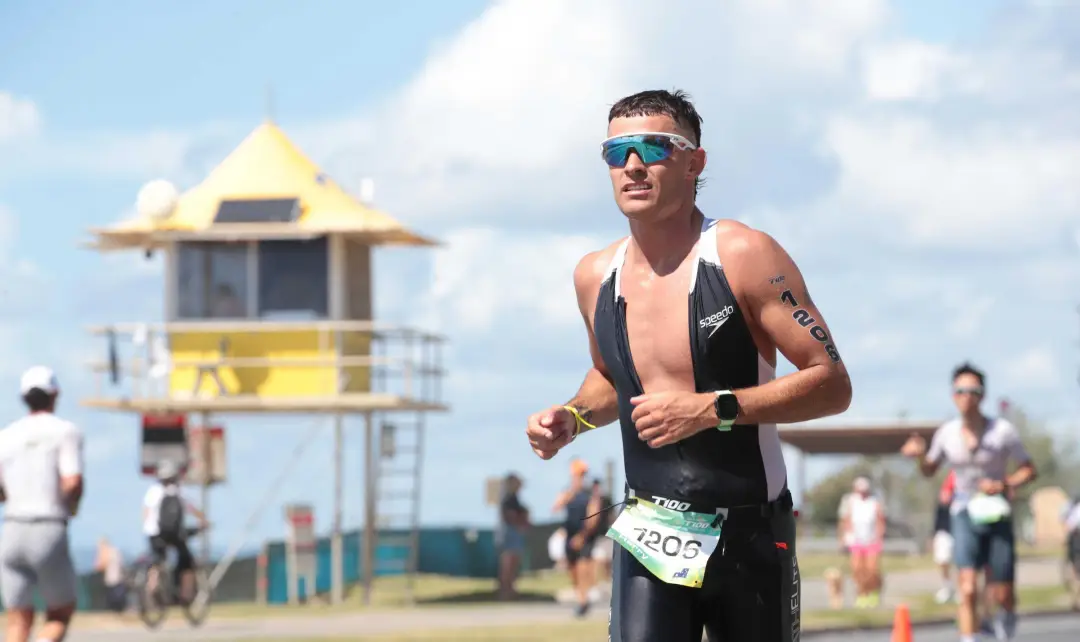
A well-fitted wetsuit can instantly boost confidence in open water by providing buoyancy, warmth, and freedom of movement.
- Buoyancy helps you maintain a higher, more efficient position in the water.
- Flexibility around the shoulders supports full, unrestricted strokes.
- Thermal protection offers comfort in cooler conditions without overheating.
Full-sleeve wetsuits offer greater warmth and buoyancy but can feel slightly tighter around the shoulders, while sleeveless options provide more natural arm movement at the cost of reduced insulation. The best way to decide is to test both during training sessions and choose the one that feels most comfortable and natural for your swim style.
Competition Swim Goggles
If you’ve only used pool goggles, race day will show you the difference. Triathlon swim goggles are engineered for open water.
- Fit and comfort: Low-profile designs reduce drag while ensuring no leaks mid-stroke.
- Visibility: Tinted or mirrored lenses handle sun glare, and clear options excel in low-light swims.
- Durability: Anti-fog and UV protection coatings keep vision crystal-clear from the first buoy to the final stroke.
The best swim goggles for triathlons balance comfort with clarity, giving you confidence in often unpredictable water conditions.
Elastic Sports Tape
You’ve likely seen colourful strips of tape across an athlete’s arms and legs. But what are they exactly?
- Support and stability: Elastic sports tape helps reduce strain by offering light reinforcement for muscles and joints.
- Injury prevention: By improving circulation and proprioception, tape may assist in reducing fatigue-related injuries.
- Different uses: Drafting tape (used in cycling) differs from body tape that prevents wardrobe malfunctions for swimsuits or clothing.
For triathletes, waterproof and skin-friendly options are vital because race conditions wait for no one.
Compete confidently with the right gear
Triathlon gear is about owning the right kit, not the most expensive one. Each piece plays its part in ensuring that when the horn sounds, you can focus on racing and not adjusting your equipment.
FAQs
What triathlon gear is essential for beginners?
Start with a good-fitting wetsuit, a reliable triathlon bike, comfortable running shoes, and a triathlon watch that tracks your performance across all disciplines.
Do I need a special triathlon helmet, or will a regular cycling helmet do?
Regular helmets meet safety standards, but triathlon helmets are designed for aerodynamic advantage, which can save valuable seconds.
What makes triathlon goggles different from pool goggles?
Triathlon goggles are designed with anti-fog coatings for wider visibility and comfort for longer swims in open water.
How do I choose the best triathlon watch?
Focus on battery life, multisport switching and waterproof depth rating. Features like GPS and heart-rate monitoring are useful but depend on your budget.
What’s the difference between triathlon running shoes and regular running shoes?
There is no difference between triathlon shoes and normal running shoes – the only difference is that some athletes choose elastic laces for fast transitions. The shoe itself is the same.
Disclaimer: This article is for informational purposes only and should not replace professional training or medical advice. Always consult a coach or healthcare provider before starting a new training programme.