













Key takeaways:
- Training time depends on your initial fitness goals and race distance.
- Sprint triathlons require focused but shorter training, while T100 and Ironman events require a larger time investment.
- Structured schedules help balance swimming, biking, running, strength and even recovery.
- Beginners benefit most from gradual progression and consistency, not perfection.
- Endurance and nutrition as parts of race-day preparation are as important as physical workouts.
Standing on the start line of a triathlon is unlike any other feeling – the anticipation from the buzz of competitors or the water lapping at your feet sparking both nerves and excitement. The pathway to race day is paved with consistent, structured and smart training, hitting small goals along the way.
Learning how to train for triathlons is not about squeezing in as many miles as possible; it’s about understanding the blend of endurance, strength, technique and recovery that makes you stronger without burning out. The good news? With the right approach, any athlete – whether a total novice or someone already seasoned in one of the sports – can cross the finish line with pride in a major personal victory.
How long does it take to train for a triathlon?
The time needed to train for a triathlon varies dramatically based on your current fitness levels, your chosen distance and your performance goals.
- Fitness level: Someone totally new to all three sports will need to build an endurance base, while an experienced runner with no swim background will need more water time than someone with a swimming history.
- Race distance: Sprint triathlons require weeks of preparation. A full Ironman, however, is a year-long endeavour, while T100 sits somewhere in between: a few months is enough; a few more could make you much faster.
- Goals: Completing your first race, improving your personal best or chasing a podium all dictate different training volumes required to achieve your goals.
Typical timelines for triathlon training:
- Sprint triathlon: 6–12 weeks for most beginners.
- Olympic triathlon: 8–16 weeks depending on experience.
- T100 or 70.3 triathlon: 16–24 weeks to develop endurance and race strategy.
- Full Ironman: 6–12 months of disciplined, progressive training.
The key is building gradually over a number of weeks to avoid injury so you arrive at race day with energy in the tank. The 10% rule is often used for this purpose: avoid increasing either distance or duration in each discipline by more than 10% each week to give your body the time to adapt.
Training for T100 Triathlon
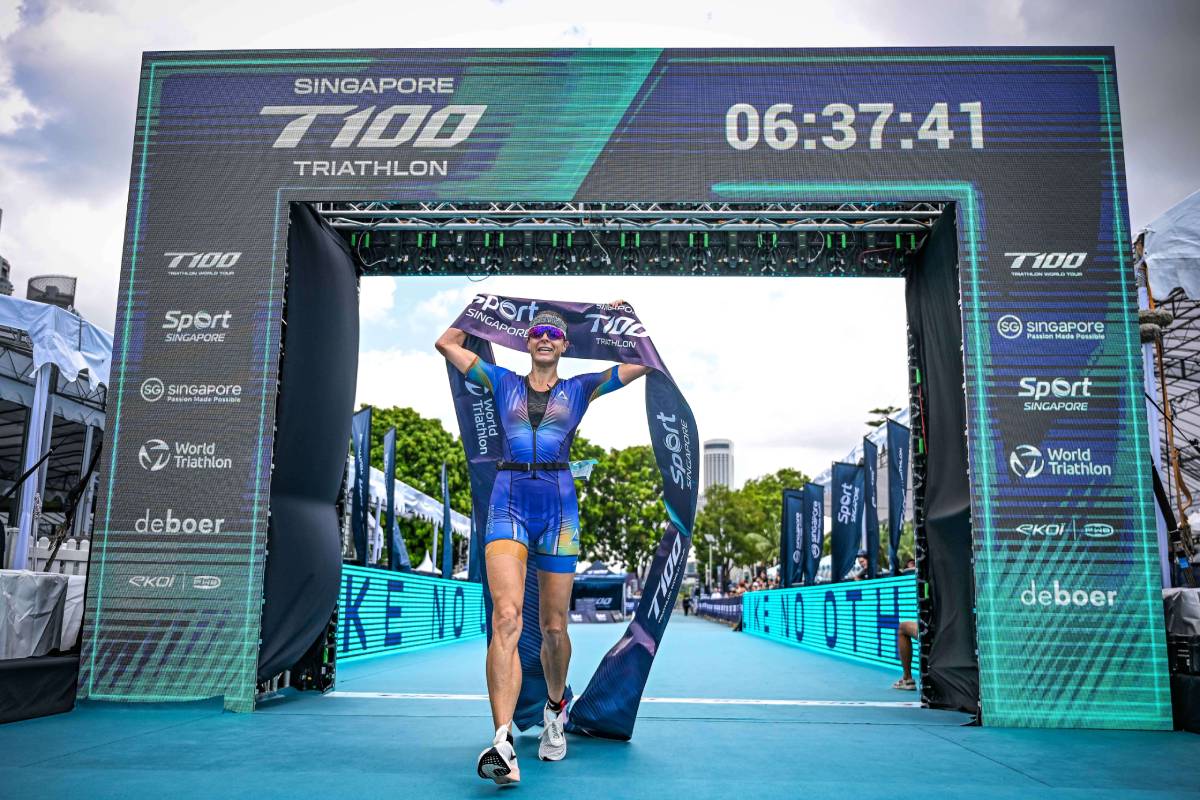
At T100 Triathlon, we offer triathlon events around the world in gorgeous locations over a 2km swim, 80km bike and 18km run (though many events also feature shorter distances).
While a test of endurance, the 100km T100 distance is also a great choice for experienced triathletes seeking the thrill of a sustained all-out effort in a bid to qualify for the T100 Triathlon World Championships.
Training for T100 should include a good balance of volume, intensity and recovery. Consistency is key rather than jumping into massive ‘hero’ sessions that will leave you too drained to train again tomorrow.
Warming up is an essential part of each session to ease your heart and muscles into the workout, mitigating injury risk and preparing your body for the effort to come.
Getting attuned to your body is also essential to understand when it’s telling you to back off to avoid injury. As a rule of thumb, if you feel a niggle during training and it persists without improvement for a couple of days, give yourself a few days off from that sport.
The essentials for T100 training:
- Endurance: Long workouts that mimic race conditions are essential.
- Nutrition: Fuelling during training teaches your gut what it can handle on race day.
- Race strategy: Practising pacing ensures you don’t burn all your energy on the bike and suffer during the run.
T100 training schedule considerations
When it comes to setting your training schedule, considerations should include:
- Experience: If you’re coming to triathlon from another sport, e.g., running, but are a novice swimmer, it’s probably a good idea to spend more time at the pool and less time running.
- Distance balance: For T100, on average swimming is around 15% of the race day time, biking around 45%, and running around 36% (the remainder being transition). It’s useful to keep this in mind to balance what you enjoy doing versus what you need to do!
- Goals: If you’re looking to complete a T100, training around 6-7 hours a week consistently over a 12-week period should get you there. If you’re looking to put in a high-level performance, upwards of 10 hours per week may be required.
- Availability: If you work 9-5, you’ll need to structure your training time carefully. You might prefer to do shorter sessions before and after work or more heavily load certain days, allowing adequate rest in between.
- Indoor vs. outdoor: Depending on your access to indoor training equipment, training indoors on a treadmill or bike trainer can give a great time-to-benefit ratio, as the workload tends to be more consistent with less freewheeling or easing off, so you get more done in less time.
- Recovery: A day off every week or two helps your body adapt to the training load and can also be a nice treat!
Weekly breakdown example: First-timer
This breakdown is an example of what a first-timer should aim to complete each week in order to complete a T100 Triathlon event. Maintaining this workload consistently for 12 weeks should get you to that incredible finish line feeling on the day.
Swim:
- 1 × 30-minute session focusing on short intervals (e.g., 8 × 100m or 4 × 200m)
- 1 × 45-minute session focused on endurance and technique
Bike:
- 2 × 30-minute sessions (or 1 × 60-minute session) with interval work (e.g., 4 × 5 minutes hard with 2 minutes easy between efforts)
- 1 × 2-hour endurance ride
Run:
- 2 × 30-minute runs (1 interval-based, 1 tempo)
- 1 × 1-hour endurance run
Strength & core:
- Before 3–4 of your sessions, include 5–10 minutes of core, balance, or mobility work
Rest/active recovery:
- Take 1 full rest day per week
- Listen to your body—take 1–2 additional rest days every few weeks if needed
- Regular stretching and foam rolling (especially legs) can help improve recovery
If the above examples are too challenging to begin with, consider this a plan to build towards, for example, incorporating a walk/run approach and reducing the time/distance of intervals in favour of more endurance training to build a solid foundation. If you’re already comfortable with the above, consider extending some sessions, adding in fuller-strength sessions or incorporating longer intervals as you progress.
Weekly breakdown example: Experienced triathlete
Triathletes already experienced at sprint or Olympic distance looking to go longer and improve performance will likely need to commit 10+ hours per week to unlock their potential. The below gives some ideas around weekly sport/volume split.
Swim:
- 2–3 sessions per week, 45–60 minutes each
- Alternate focus between endurance (500–1000m repeats) and mixed technique/intervals (100–400m reps at threshold to tempo intensity)
Bike:
- 3 × 60-minute rides per week focusing on a mix of tempo, sweet spot, and threshold intervals
- Aim for 30–40 minutes of total effort per session, with recovery intervals
- 1 × 3-hour endurance ride (you should be able to chat in short sentences)
Run:
- 2–3 × 60-minute sessions per week, including longer tempo runs (e.g., 4 × 10 minutes) and shorter threshold intervals (e.g., 10 × 4 minutes)
- 1 × 90-minute to 2-hour endurance run at an easy, conversational pace
Strength & core:
- 1–2 × 45-minute sessions per week, including core stability, bodyweight strength, balance, and mobility work
- Swap out one 60-minute run every other week in favor of a strength session
Rest/active recovery:
- Take 1 full rest day per week
- Listen to your body—take 1–2 additional rest days every few weeks if needed
- Regular stretching and foam rolling (especially legs) can help improve recovery
If a programme like the above is too challenging to begin with, build up to it with shorter intervals and longer recoveries between intervals or shorter sessions on the whole. Always keep an eye on your consistency and avoid sudden jumps in intensity or duration.
Getting T100 race ready
As you get closer to the race, you can add some race specificity to help prepare yourself for the best possible race.
Brick sessions
A brick session is simply transitioning quickly from one sport to another, typically bike to run. Brick sessions will help you get used to the ‘jelly-legged’ feeling of moving from cycling to running, also helping you discipline your running pace, which is harder to judge after the speed of the bike.
Open water swimming
With your T100 race featuring an open water swim, you don’t want your first experience of swimming outdoors (or in a wetsuit) for the year to be race day. A few open water swim sessions is all it takes to get more comfortable in the water and avoid a shock on the day. Take it easy whenever entering the water to avoid a chilly shock.
Taper
In the last couple of weeks before your event, start reducing the volume of your training. At this point, you won’t get any fitter, but you might overdo it, leaving you fatigued on race day. You’re better off being 10% underdone than 1% overdone, so avoid last-minute ‘panic training’ at all costs.
Training for 70.3 triathlons
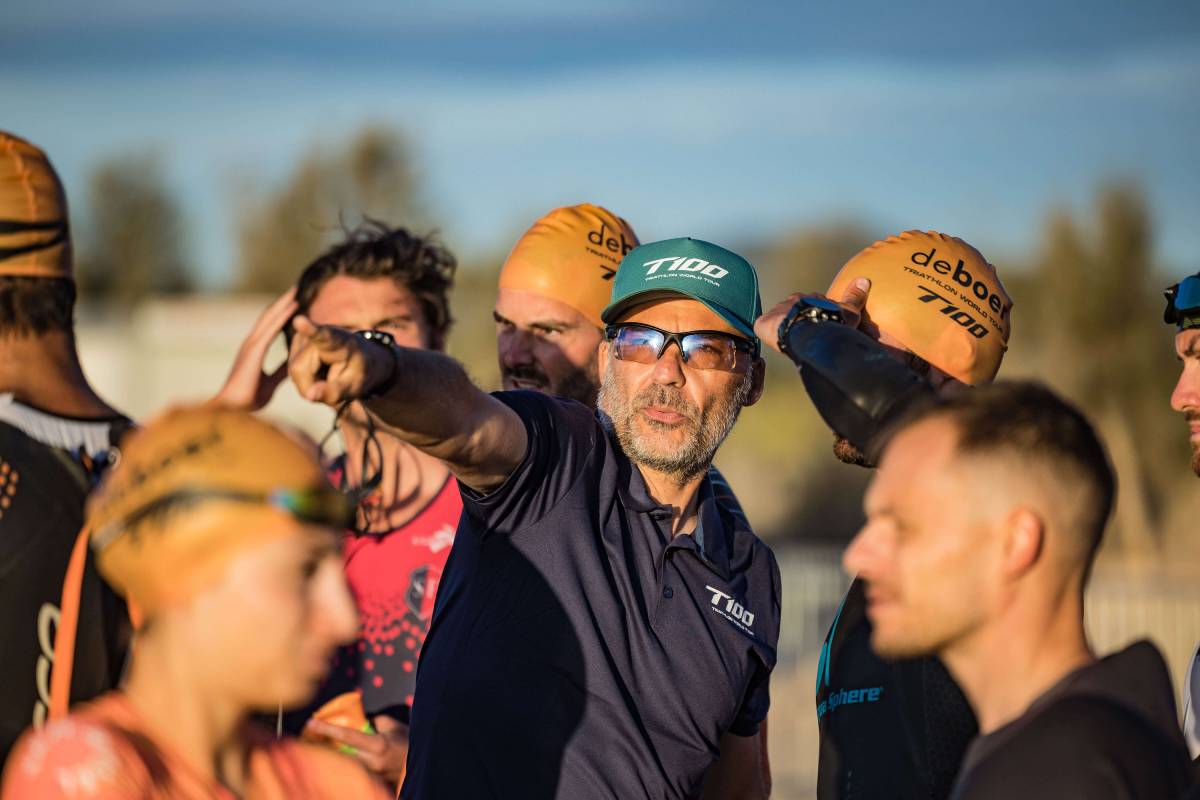
The 70.3 triathlon, a 1.9km swim, 90km bike and 21.1km run, is often the bridge between shorter races and the full Ironman distance. Like with training for the T100 triathlon, half-Ironman training means striking a balance between volume, intensity, and recovery.
Weekly breakdown example:
- Swim: 2–3 sessions focusing on endurance and open-water skills.
- Bike: 3 rides (one long endurance ride, one interval session, and one brick workout with a run).
- Run: 3 sessions blending long runs with tempo and transition runs.
- Strength & core: 2 sessions to build resilience and stability.
- Rest/active recovery: 1–2 days to let your body adapt.
Consistency unlocks success in a 70.3, not perfection. Missing the occasional workout won’t derail you, but quitting consistency will.
Training for a sprint triathlon
The sprint triathlon is typically a 750m swim, 20km bike, and 5km run. It’s often the first taste of the sport for newcomers.
Why it’s unique:
- Shorter distance means intensity matters more than endless mileage.
- Speed development is just as important as endurance.
Key workouts for sprint prep:
- Intervals: Short, sharp sessions in the pool, on the bike or during runs to develop speed.
- Brick sessions: Bike-to-run workouts to prepare your legs for the infamous ‘jelly legs’ transition.
- Race simulation: Practising transitions in real conditions reduces stress on race day.
Sprint training is about efficiency. With a few targeted sessions each week, you’ll be ready to push harder and race smarter to savour the finish line thrill.
Beginner triathlon training
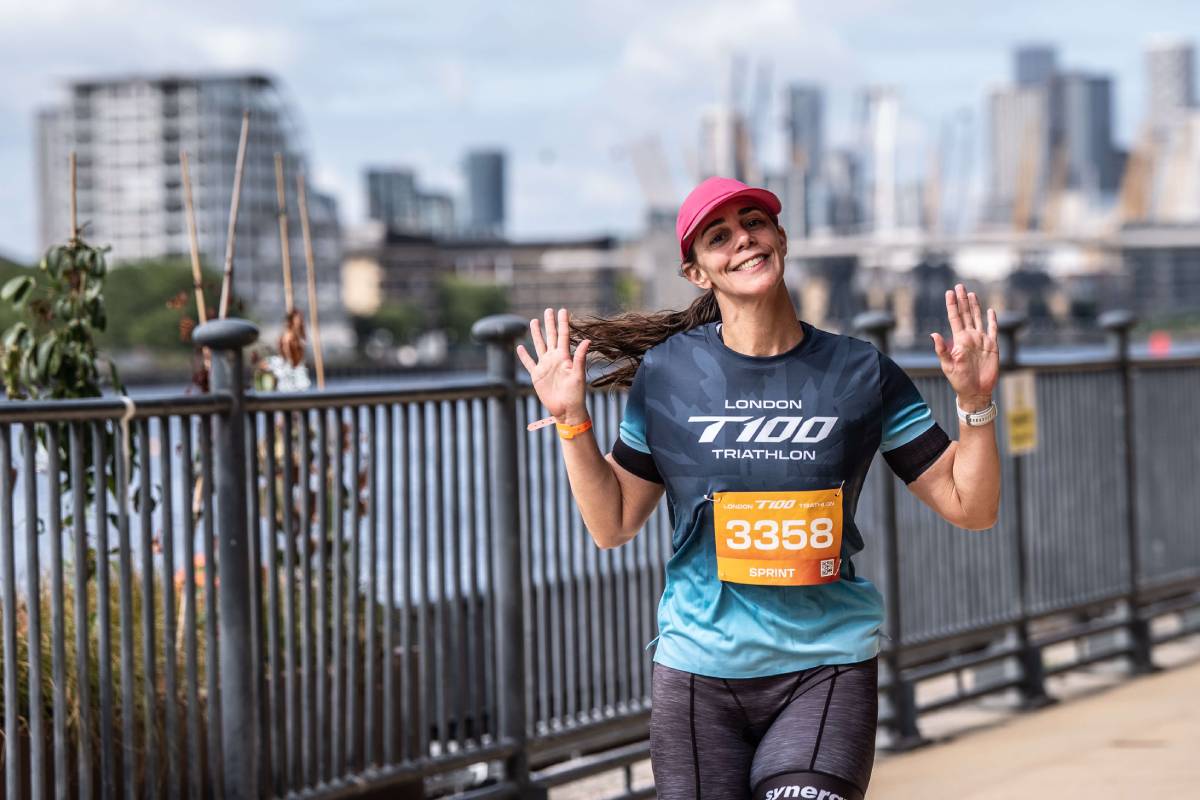
Every triathlete remembers their first race. For beginners the challenge is balancing training with everyday life, not only the workouts.
Swim, bike & run schedules:
- Swim: Focus on technique. Even two sessions a week of drills and endurance go a long way.
- Bike: Start with steady rides to build confidence before adding hills or intervals.
- Run: Begin with short, consistent runs, then increase duration gradually.
Additional considerations:
- Strength training: Improves posture and core stabilisation to prevent injuries and adds overall resilience.
- Injury prevention: Warm-ups such as stretching and recovery routines are just as crucial as the miles themselves.
- Beginner modifications: Replace one long run with aqua-jogging if recovering from shin splints. Swap in a stationary bike when weather disrupts your ride.
The golden rule is that it’s about progress, not perfection. Beginners thrive by celebrating the small wins, such as finishing a 1km swim non-stop after cycling their first 30km or running without pausing.
Training takes time and dedication
Triathlon training is about weaving swimming, biking, running and recovery into a sustainable rhythm, not chasing endless workouts. By understanding the time demands and tailoring sessions to your distance, you’re respecting your body’s limits. This way you’ll arrive at the start line confident and composed, all ready to race.
Your journey doesn’t end at the finish chute. Every race teaches you more about pacing and nutrition for enduring resilience. Each triathlon is a stepping stone towards the athlete you aspire to become.
FAQs
How long does it take to train for a triathlon as a beginner?
Most beginners can be ready for a sprint triathlon in 8–12 weeks, provided they build gradually and consistently.
Do I need expensive gear to train for triathlons?
No. A reliable bike, a well-fitting tri-suit, goggles and running shoes are enough to start. Advanced gear adds efficiency or free speed but isn’t essential.
Can I train for a triathlon if I’m not a strong swimmer?
Yes. Many athletes come from non-swimming backgrounds. Joining a tri club or coached swim group or focusing on technique drills makes a huge difference in developing a feel for the water and speed.
How many times per week should I train?
Most triathletes train 5–6 days a week, with at least one full rest or active recovery day, though this differs based on experience and years spent building a solid training base.
What is the hardest part of a triathlon for beginners?
Swimming is often the biggest blocker, but it shouldn’t be! There are inclusive training groups and clubs in many communities all over the world who can help you make massive progress in the water and unlock a lifelong source of health and fitness. Transitions and the bike-to-run shift often challenge newcomers, too. Practising these with brick sessions and transitions helps reduce surprises on race day.
Disclaimer: This article is for informational purposes only and should not replace professional training or medical advice. Always consult a coach or healthcare provider before starting a new training programme.