













In the world of the modern triathlete, with an ever-changing landscape and the challenge of balancing your triathlon training with a career, family, social life, and travel, it’s an endless battle that goes beyond the finish line. So how do you do it? Juggle. The definition of a juggler is an entertainer who skillfully throws, catches, and keeps multiple objects in the air simultaneously, and that perfectly sums up a triathlete.
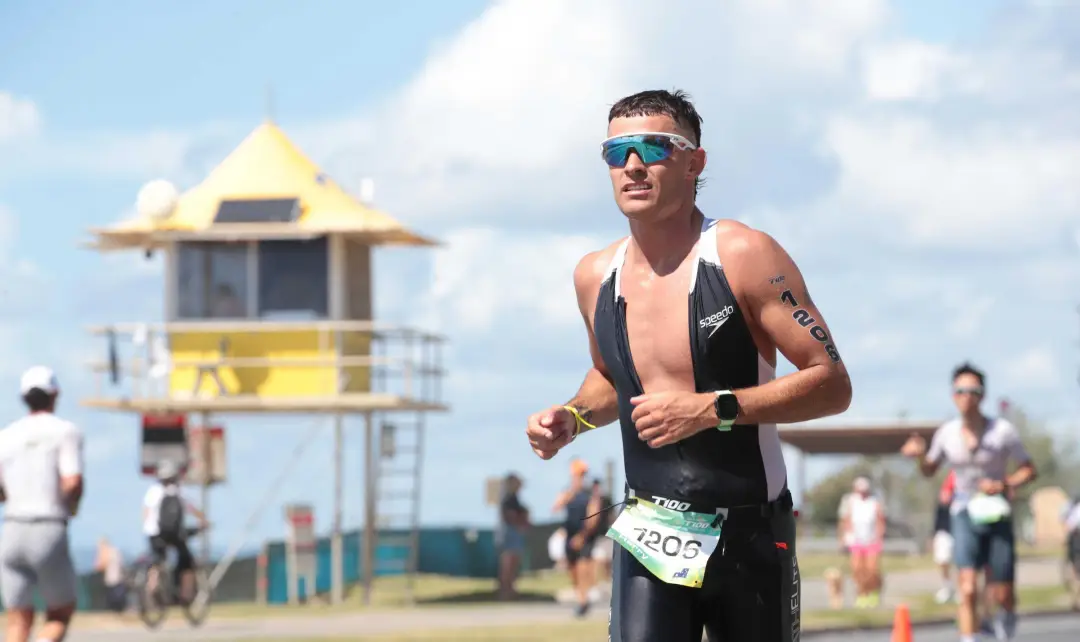
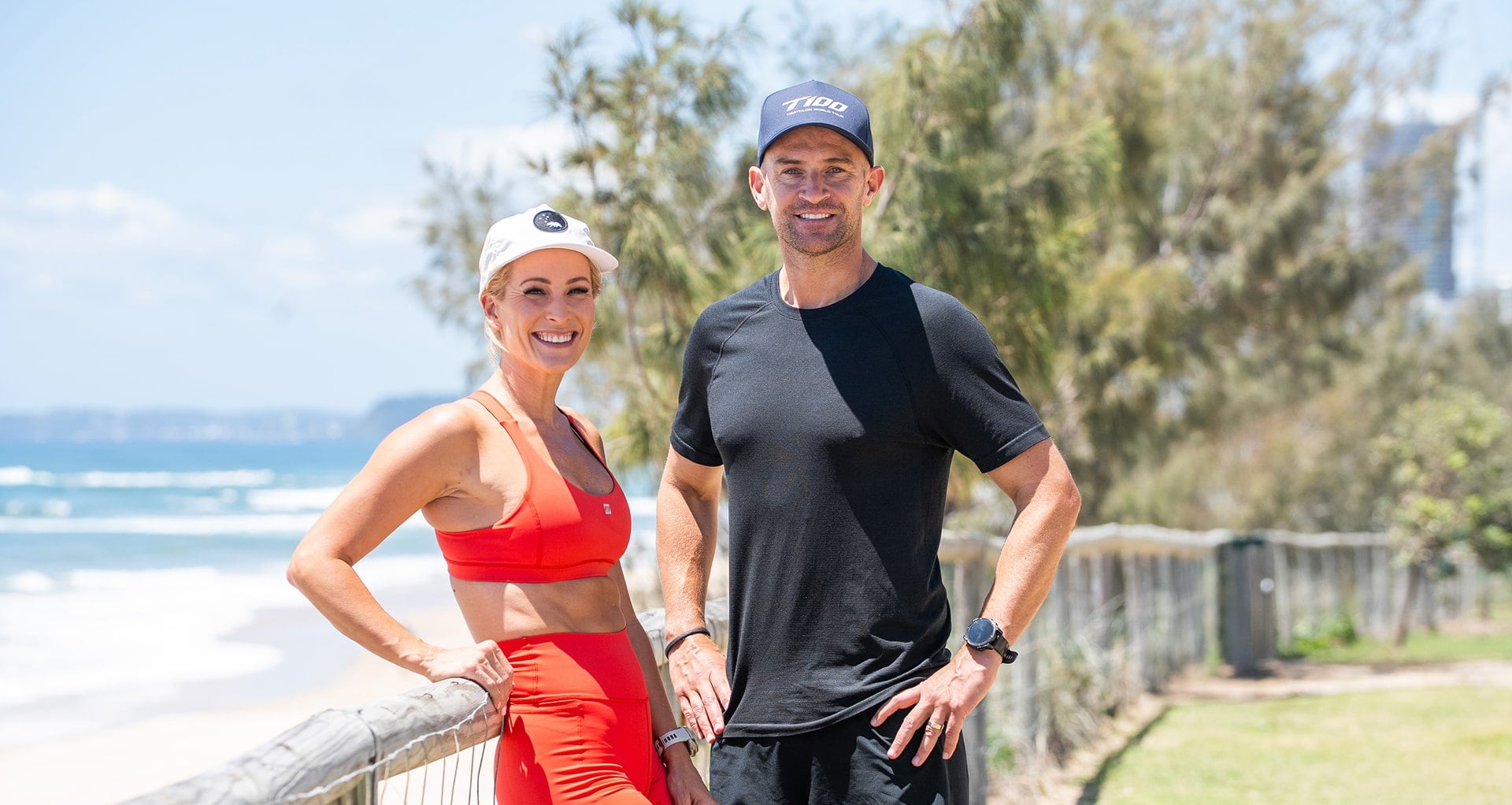
The balancing act moves from one object to the next, but you cannot drop the ball in one discipline, as all are important to the end goal. To understand how this delicate balance is achieved, we look to two of our Community Captains, Gerald Kass and Leah Broger, who have mastered the art of the professional and athletic juggle. Gerald, originally from Lithuania and raised in the UK, now operates out of Chicago as a high-level tech executive for the firm behind NordVPN. When he isn’t managing global affairs, he is a formidable competitive age-group athlete. Similarly, Leah, an Italian-Dutch endurance athlete and consultant in Dubai, navigates a demanding strategy consulting career alongside the rigours of long-course racing. With both Gerald and Leah successfully qualifying for their respective age-group World Championships, they serve as prime examples of how to excel across different aspects of your life.
During our talk, Gerald and Leah reveal their “non-negotiables,” personal tricks for training on the go, and how they navigate those tough “low days.”
The Time Balancing Act
One of the most frequent questions we receive is how to manage time between a career, a social life, and hours of training. Both Gerald and Leah emphasise that success isn’t about finding time, it’s about creating it.
Gerald Kass: “Discipline beats motivation every single time. I have a full-time career and travel constantly, but I plan my week instead of hoping to find time. Once something is in my calendar, it’s treated like any other important meeting. However, triathlon shouldn’t become your entire identity. If you are organised, you can build a career and relationships while chasing ambitious goals.”

Leah Broger: “My life is a bit of a ‘chaotic utopia.’ I’m often clocking 65-hour work weeks, so the 5:00 AM to 9:00 AM window is the only time that genuinely belongs to me. In Dubai, that’s also the only time the heat isn’t a factor. Training and socializing have stopped being separate categories for me; the swim squads and run clubs are where I see people and decompress. That community aspect is what makes the whole setup sustainable.”
Travelling on a schedule
Gerald’s Traveler Tips:
As a seasoned work traveller, here are Gerald’s tips:
- Always travel with a supply of healthy snacks.
- Look for nearby supermarkets instead of relying on hotel food.
- Keep the same sleep routine as much as possible.
- Most importantly, start every day with training before your workday kicks off. If my meetings start at 8:00 AM, I’ll get in a run or a bike session at 5:00 AM. I always assume you will not have time or energy to put in a session after a busy day of meetings.
Leah’s Strategy: “It comes down to compulsive pre-planning. Before any client trip, I’ve already saved running routes and identified local cycling groups. Running is the most portable thing in the world, and swimming is more accessible than people assume. I pre-commit to sessions to remove the ‘friction’ of decision-making when I’m tired at 10:00 PM.”

Downtime and Recovery
Recovery is often the first thing that gets sacrificed when life gets busy. Our Captains suggest making it as deliberate as the training itself.
| Category | Gerald’s Approach | Leah’s Perspective |
|---|---|---|
| Sleep | Non-negotiable 10:00 PM bedtime; consistent wake times even on weekends. | Honest reality: 5–6 hours during the week, catching up on weekends. |
| Fueling | No fasted workouts; heavy focus on carbs during long rides and protein for recovery. | Replace reflexive snacking with actual meals; focus on hydration in high heat. |
| Mental | Weekend sessions done by 1:00 PM to protect family and social time. | Triathlon is the “sanity check” from work; don’t take any one version of yourself too seriously. |
Missed sessions
Missing a training session? Happens to the best of us but, it comes down to how you handle it. You can either panic about it and over-exert yourself or understand that one missed session doesn’t derail your progress.
Gerald Kass: Gerald emphasised that this should be taken seriously and to accept the loss and move on. “Early on, I tried squeezing missed sessions into later in the week, and all it did was create stress and throw the whole plan off balance.”
Life happens, last minute trips or meetings, flights get delayed and unexpected things come up. But, one missed workout won’t ruin your fitness, but letting one missed workout become three might derail the whole training week. Focus on the next session, not the one you missed.’’
Leah Broger: Leah on the other hand weighs it up looking at the actual reason for missing the session: “If something genuinely got in the way, look at the rest of the week and find a logical place to move it. But if it was missed because the body was depleted and sleep was the right call, write it off completely because a session completed on an empty tank doesn’t produce adaptation, it produces fatigue and probably compromises the next day too.”
Balancing a professional career, a personal life, and the demands of triathlon training is less about finding a perfect equilibrium and more about mastering the art of the juggle. As Gerald and Leah have shown, success is built on a foundation of planning, discipline, and the support of a vibrant community. Whether it’s carving out early morning sessions for yourself or treating your training sessions with the same respect as a corporate meeting, the tools to succeed are already in your hands.